How to Eat Your Electrolytes!
You see all of the colorful sports drinks in the grocery store or lining the benches at sporting events. You drink them because you’ve been told that you need “electrolytes”, but do you know why we need them and what their purpose is? Let me break it down for you.

What Are Electrolytes?
Electrolytes are substances that have a positive or negative charge when they are dissolved in water. They help our bodies regulate chemical reactions, maintain the balance between fluids inside and outside of our cells, AND they are what helps to drive water to our working muscles. So, when we are dehydrated, and lacking important electrolytes, problems can arise (such as achy muscles and cramps) Who’s been there? No fun, right? Let me teach you about all 6 electrolytes and how you can incorporate them into your diets, so you don’t always have to rely on a colorful, sugar-filled sports drink.
Potassium
You’re probably thinking, “bananas!” Yes, bananas are a great source of potassium, but did you know that potatoes and avocados contain even more potassium than bananas? A banana is a great on the go snack, but you can add more potatoes to your meals at home. We love them roasted, baked, shredded, steamed- so many options with the potato! Using potatoes as a base for your meat is a perfect meal option. (Sweet potato tacos are a personal favorite- a sweet and savory combo!) Potassium is helps your body with fluid balance, muscle contractions, nerve and kidney function and is great for heart health and bone health. Add some bananas, potatoes, avocadoes, or even watermelon or coconut water to your grocery list! (Watermelon chunks make for a wonderful post workout snack!)

Magnesium
This is a POWERHOUSE. Magnesium helps with SO many things. It helps us get restorative sleep, prevents muscle cramps, helps to balance our hormones, helps with proper nerve function, promotes mental clarity, aids with healthy digestion, and more. Foods such as spinach, yogurt, almonds and cashews, peanuts and peanut butter, salmon, seeds (pumpkin and sunflower), some fruit, and even dark chocolate are all good sources of magnesium. That last one is my fav. 😉 Sometimes it’s hard to get enough from your food sources on a daily basis. You can supplement with a powder form of magnesium that dissolves in your beverages (or I even sprinkle it in my overnight oats or add it to smoothies). You can also take it in capsule form. Here is a good capsule option: Now Supplements

Calcium
We’ve been hearing that this one is important since we were little. “Drink your milk so you can have strong bones and teeth!” That is correct. Dairy contains lots of calcium, but if you’re sensitive to dairy some other food options could be; oranges or strawberries, nuts, kale, cucumbers, broccoli, salmon and trout, and even chicken and pork chops. All sorts of options! Aside from helping you strengthen your bones and teeth, calcium can also aid with proper functioning of your heart, muscles, blood and nerves. Take note however, that it may be harder for your body to absorb the proper amounts of calcium if you use alcohol excessively or if you’re low in vitamin D. (Vitamin D is another powerhouse and a vitamin you should be taking daily, unless you spend most of your time outside. For more info- visit this post.)

Sodium
I would say this is the electrolyte that is the easiest to get in our diets. Most Americans consume more than they need (mostly through processed foods and from going out to eat often). Sodium helps with fluid and electrolyte balance, nerve and muscle function (I’m seeing a pattern here!), cellular function, and blood pressure regulation. Foods such as olives, celery and milk contain sodium naturally. And pickle juice is becoming a popular option for runners to drink after a long run!
Chloride
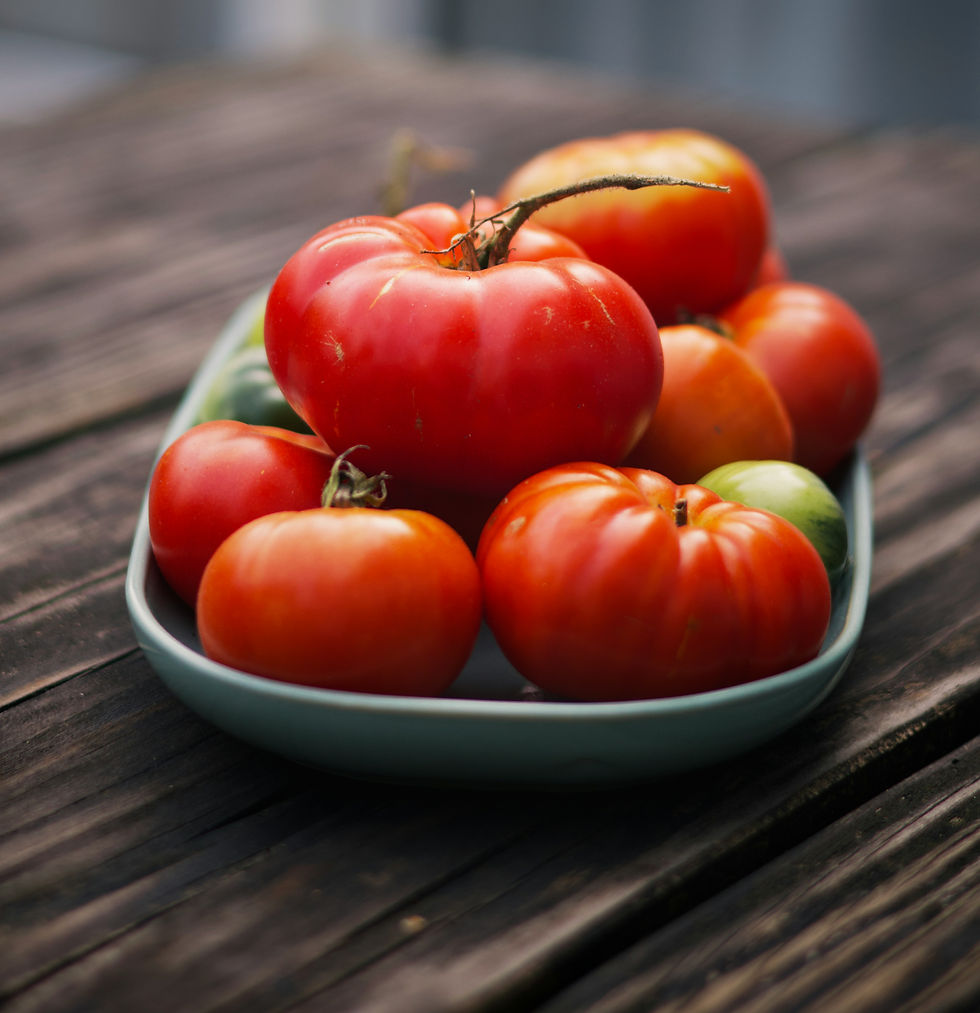
Chloride actually works with sodium to maintain fluid balance and regulate your body’s PH level. Chloride is present in table salt so the foods listed above in our sodium category would be in this category as well. However, we can add tomatoes to the list for this one. I’m the only one in my family who loves tomatoes. There is nothing better than a fresh garden tomato in the summer. NOTHING! Well, except maybe the dark chocolate mentioned earlier 😉
Phosphate
Lastly, we have phosphate- not a nutrient we hear about getting into our diets often. This electrolyte also helps with bone health, energy production and muscle function. Foods that contain phosphate are mostly ones we have already listed above, but we can add grains such as oatmeal and quinoa to the list and legumes (peas and beans) as well.

I hope you learned something about electrolytes and why it’s so important that we consume the proper amounts. Every single electrolyte listed helps with muscle function. Remember that electrolytes HELP us stay hydrated. Magnesium, potassium, sodium, calcium, chloride, and phosphate work together to ENHANCE fluid absorption, fluid retention and to distribute the fluids throughout our bodies. Brainstorm some ways that you can get more electrolytes in and say bye-bye to muscle cramps and crappy nerve function, and hello to a well-functioning body!


Comments